

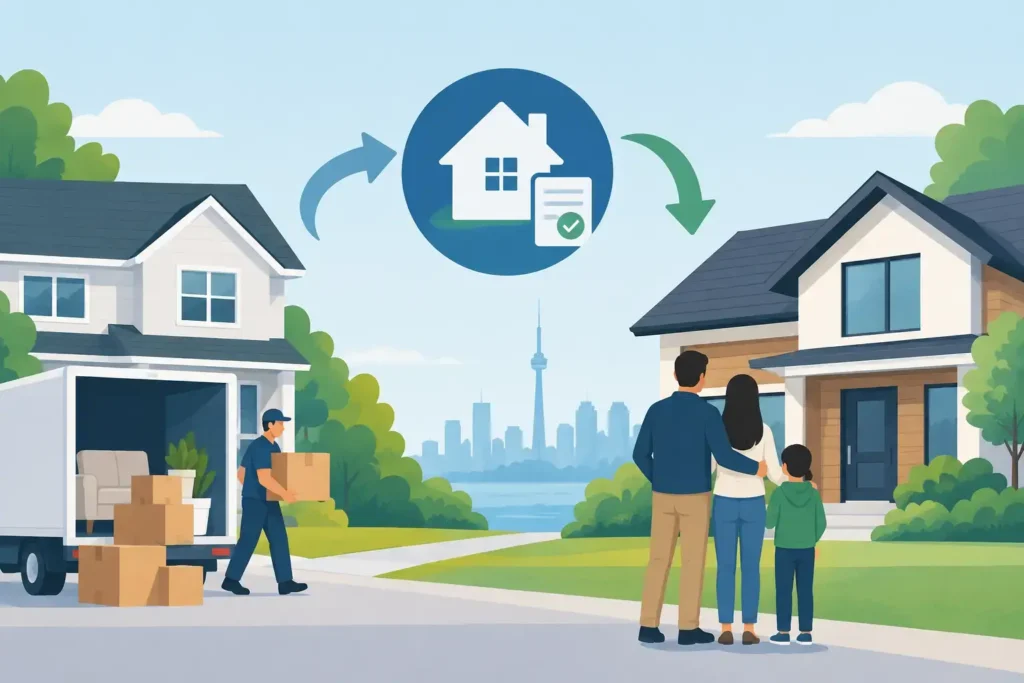
A move can put a surprisingly valuable mortgage rate at risk. For homeowners considering mortgage portability Ontario options, the question is not simply whether a lender will move the loan to the next property. It is whether portability will actually improve the financial outcome after you account for qualification, timing, the new home’s price, and the terms of your existing mortgage.
For a family moving from Brantford to a larger home in Paris, a downsizer choosing a more manageable property, or an owner relocating for work, portability can be worth investigating before listing the current home. It can also be the wrong fit. A clear comparison early in the process helps prevent last-minute pressure around closing.
What Mortgage Portability Means in Ontario
Mortgage portability generally allows you to transfer your existing mortgage, including its interest rate and remaining term, from your current home to a new one. This feature is most commonly associated with fixed-rate mortgages, but eligibility depends on the mortgage contract and lender.
The practical appeal is straightforward. If your current fixed rate is lower than current market rates, portability may let you keep that rate rather than breaking the mortgage and arranging an entirely new one. Depending on the lender and situation, it may also help you avoid a prepayment penalty that could otherwise be significant.
Portability is not a right that applies automatically because you are moving. Your lender must approve the new property and reassess your finances. In other words, it is a new lending decision connected to an existing mortgage. That distinction matters when buyers assume a low rate alone guarantees approval.
The usual timing window
Lenders commonly require the sale of your existing home and the purchase of the new home to occur within a defined period. Often, that window is between 30 and 120 days, though the exact timing varies by lender and mortgage product.
This can become important in a competitive purchase situation. If you sell first, you may have a clear budget but feel pressure to find the next home within the lender’s deadline. If you buy first, you may need financing that accommodates both properties temporarily. Your lender or mortgage professional can explain the available options, while your real estate team can help coordinate offer dates, conditions, and closing schedules that fit the plan.
When Mortgage Portability Ontario Can Save Money
Portability tends to be most attractive when three factors line up: your existing rate is favorable, you still have meaningful time left in the term, and the new mortgage structure meets the lender’s rules.
Consider a homeowner with two years remaining on a fixed-rate mortgage secured when rates were lower. Breaking that mortgage may trigger an interest rate differential penalty or another prepayment charge. Carrying the existing mortgage to the new home could preserve the rate on the outstanding balance and reduce or eliminate that break cost.
The value is not limited to the rate. Avoiding a penalty may preserve funds for the down payment, moving costs, repairs, or an emergency reserve. For move-up buyers, that flexibility can make a meaningful difference when purchasing a home that needs renovations or when competing in a market with limited inventory.
Still, portability should be compared against other choices, not assumed to be the best choice. A new lender may offer a better overall package, more flexible prepayment privileges, or a product that better suits your plans. The lowest visible rate is only one part of the decision.
The New Home May Require a Larger Mortgage
Many Ontario moves involve buying a more expensive home. If the new purchase requires additional borrowing beyond your current mortgage balance, the lender may use a blend-and-extend approach.
With blending, the lender combines your current rate on the existing balance with the current rate applied to the additional funds. The result is a blended rate that may be lower than today’s standard rate, but higher than the rate you currently enjoy. The lender may also extend the mortgage term, which changes the calculation further.
Ask for the numbers in writing. You should understand the blended rate, the new term, payment amount, amortization period, prepayment options, and total borrowing amount. A lower payment created by extending amortization can provide breathing room, but it may also mean paying more interest over time.
If you are buying a less expensive home and need a smaller mortgage, the situation can be different. Some lenders permit the mortgage to be ported at a reduced balance, while others may charge a penalty on the portion that is paid down. The exact contract language matters.
Approval Still Depends on Your Finances
A portable mortgage does not bypass today’s underwriting standards. The lender will typically review income, employment, debts, credit, down payment source, and the new property’s value. You may need to qualify under the current mortgage stress test, even if your payment history has been excellent.
This can surprise homeowners whose income has changed since they purchased. Self-employed buyers, households relying on commission income, people returning from parental leave, and retirees drawing income from investments may need additional documentation. It does not mean the move cannot happen. It means the financing conversation should begin early enough to identify any requirements without rushing a purchase decision.
The property itself also has to meet lender criteria. A rural property with acreage, a home requiring major repairs, a waterfront property, or a condominium with concerns in its status documents can receive different treatment than a conventional suburban home. In Brant County and Norfolk County, where property types can vary widely, this is especially worth checking before removing financing conditions.
Questions to Ask Before You List or Make an Offer
Start with your current mortgage documents, then speak with your lender or mortgage professional before committing to a sale timeline. A few targeted questions can bring clarity quickly:
- Is my current mortgage fully portable, and what deadline applies between selling and buying?
- Can the mortgage be ported if the new property costs more or less than my current home?
- How would a blend-and-extend calculation affect my rate, term, and monthly payment?
- Will I need to requalify under current lending guidelines?
- What happens if the two closings do not occur on the same day?
- Are there fees, appraisal requirements, or limits based on property type?
Also request a comparison of the cost to port versus the cost to break and replace the mortgage. That comparison should include the estimated penalty, legal and appraisal fees where applicable, the new rate, and the payment structure. It is easier to make a confident decision when every option is visible on the same page.
Build the Moving Plan Around the Financing Reality
Financing should shape the offer strategy, not become an afterthought after an accepted deal. A portable mortgage may influence the closing date you request, whether you need a financing condition, and how much flexibility you need between the sale and purchase.
For example, a seller who needs the proceeds from their current home for the next down payment may want a longer closing on the purchase or a carefully planned sale-and-purchase sequence. A buyer with a strict portability deadline may prefer to focus their search and be ready to act when the right home appears. Neither approach is universally better. It depends on your financial position, housing needs, and lender rules.
The Munir Group helps clients organize the real estate side of that timeline, from pricing and preparing the current home through offer terms and closing coordination. Your lender, mortgage broker, and lawyer each have a separate role, but early communication among the right professionals can reduce avoidable surprises.
A favorable mortgage rate can be an asset, but it should support the move rather than dictate it. Before you fall in love with the next home or set a listing date, get a clear portability answer and a full cost comparison. That preparation gives you more room to choose a home and a timeline that genuinely fit your next chapter.