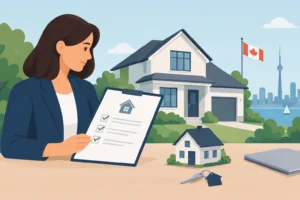

A sign on the lawn and a few online photos can make selling privately look straightforward. But a home sale becomes more complicated the moment a buyer asks about price, financing, conditions, inspections, or closing dates. The private sale versus realtor decision is not simply about commission. It is about deciding who will manage the work, absorb the risk, and protect your position when the details matter most.
For some homeowners, selling privately can be a reasonable choice. For others, the savings they expect can disappear through underpricing, limited exposure, difficult negotiations, or a deal that falls apart late in the process. The right path depends on your property, your timeline, your comfort with the process, and the local market around you.
Private Sale Versus Realtor: The Real Difference
A private sale, sometimes called a for-sale-by-owner transaction, means the homeowner handles the sale without listing representation. You set the price, prepare the home, arrange photography and advertising, answer inquiries, schedule showings, screen buyers, negotiate terms, and coordinate the paperwork with a real estate lawyer.
Working with a realtor means having a professional represent your interests through those same stages. The service should include more than putting a property online. A strong local real estate team helps interpret current comparable sales, position the home for its likely buyer, build a marketing plan, manage showings, respond to buyer-agent feedback, review offers, negotiate conditions, and keep the transaction moving toward closing.
Neither option is automatically right. The key distinction is responsibility. In a private sale, you are the project manager and negotiator. With representation, you still make every major decision, but you have an experienced advisor handling the moving parts and helping you understand the consequences of each choice.
The Appeal of Selling Privately
The most obvious benefit of a private sale is the opportunity to reduce commission costs. If you find a buyer directly and complete the transaction, you may retain more of the sale proceeds. Homeowners who already have an interested family member, neighbor, tenant, or friend may find this route especially appealing.
Private selling can also give you direct control over every conversation. You decide when to show the property, what details to share, how to market it, and whether an offer is worth pursuing. For a seller who has time, confidence, strong market knowledge, and a straightforward buyer already in place, that control can feel valuable.
However, selling privately does not mean selling without costs. Professional photos, staging support, signage, digital advertising, legal fees, pre-listing repairs, and buyer-agent compensation may still be part of the equation. More significantly, a private seller may not have the market reach or pricing information needed to generate competitive interest.
A lower fee only produces a better financial outcome if the home still sells for the right price, on acceptable terms, and without costly surprises. That is why the comparison should focus on net proceeds and risk, not commission alone.
Where Private Sales Can Become Difficult
Pricing is often the first challenge. Online home-value tools and nearby asking prices can be useful starting points, but they do not replace a careful comparison of recent sold properties. Two homes on the same street can perform very differently based on updates, lot shape, layout, condition, school boundaries, location within the neighborhood, and buyer demand at that moment.
Overpricing can cause a listing to sit, even in an active market. Underpricing can cost far more than a seller hoped to save. A realtor’s value is not just naming a number. It is explaining the evidence behind a pricing strategy and adjusting when buyer feedback reveals something the market is telling you.
Showings can also be more challenging when the owner is present. Buyers often speak more freely with their agent than they will with a seller standing nearby. They may be reluctant to point out concerns, compare the property with alternatives, or discuss their budget openly. Separating the seller from the showing process can produce more candid feedback and a more comfortable experience for buyers.
Then there is negotiation. A purchase price is only one term in an offer. Deposit amount, financing conditions, inspection conditions, inclusion of appliances or fixtures, possession date, insurance requirements, and remedies if a condition is not met can all affect the strength of the deal. A higher offer is not always the better offer if the buyer’s financing is uncertain or the requested conditions create too much exposure for the seller.
What a Realtor Brings to the Sale
A capable realtor brings market knowledge, but the practical value is coordination. Selling a home requires dozens of decisions and follow-ups that are easy to underestimate before the listing goes live.
In Brantford, Brant County, and Norfolk County, local knowledge can make a meaningful difference. Buyer expectations can vary between a family neighborhood in Brantford, a rural property near Burford or Scotland, and a recreational-area home closer to Long Point or Turkey Point. Property features that matter to buyers – such as well and septic systems, zoning, flood considerations, school access, commuting patterns, or waterfront proximity – need to be communicated accurately and positioned thoughtfully.
A full-service real estate team can help prepare the property before it reaches the market, identify repairs worth making, arrange professional presentation, and create a launch plan designed to reach active buyers. Once showings begin, the team manages appointment logistics, gathers feedback, and keeps the seller informed without requiring them to be on call at all hours.
Representation also creates a buffer during emotional moments. Selling a longtime family home, downsizing, or moving because of a job change can be stressful. When an offer includes a lower price or an inconvenient condition, it helps to have someone who can assess it calmly, negotiate professionally, and keep the conversation focused on the seller’s goals.
Comparing the Financial Picture
The fairest way to compare a private sale versus realtor support is to estimate your likely net outcome under each option. Start with a realistic expected sale price, then subtract all selling expenses, not just commission.
For a private sale, account for advertising, photography, legal services, preparation costs, your time, and any compensation offered to a buyer’s agent. Also consider the potential cost of reduced exposure or a weaker negotiating position. If only one buyer knows the home is available, there may be less pressure for that buyer to improve their terms.
For a listed sale, consider the full cost of representation alongside the potential benefits: broader marketing, access to active buyer networks, pricing guidance based on current sold data, offer management, and experienced negotiation. A well-run listing can create competition, and competition can influence both price and conditions.
No professional can promise a specific result. Markets shift, buyers have individual preferences, and every property is different. But a clear analysis should help you evaluate whether the service cost is likely to be outweighed by better exposure, stronger terms, reduced stress, and a higher probability of closing successfully.
When a Private Sale May Make Sense
A private sale may be worth considering when a buyer is already known, the parties have agreed on a fair price supported by current market evidence, and both sides are prepared to involve real estate lawyers early. It can also suit sellers with prior transaction experience who understand the time commitment and are comfortable managing inquiries, disclosures, negotiations, and deadlines.
Even then, independent legal advice is essential. The buyer and seller have different interests, and clear documentation protects both parties. Sellers should not assume a friendly relationship eliminates the need for proper conditions, deposits, disclosure, or closing coordination.
A private sale may be less suitable when the property needs broad exposure, the seller is unsure how to price it, there are multiple owners involved, the home has complex features, or the timeline is tight. It can also be a difficult fit for anyone who would rather not negotiate directly with buyers or manage showings while balancing work, family, or a move.
Questions to Ask Before You Choose
Before deciding, be honest about what you are taking on. Consider these practical questions:
- Do you have reliable, recent sold-property data to support your asking price?
- Can you respond promptly to inquiries and accommodate showings without disrupting daily life?
- Are you comfortable evaluating financing, conditions, deposits, and possession dates?
- Do you have a plan if the first buyer walks away after an inspection or financing review?
If your answer to several of these questions is no, representation may offer more value than it initially appears. If your answers are yes, a private sale could be feasible, particularly if you already have a qualified buyer.
The Munir Group often encourages sellers to begin with information rather than pressure. A professional home evaluation and a direct conversation about your property can clarify likely value, buyer demand, preparation priorities, and the realistic work involved in selling. You may still choose a private route, but you will make that choice with a clearer view of the market.
The best selling strategy is the one that gives you confidence in the price, the terms, and the path to closing. Whether you sell privately or work with a realtor, take the time to understand what is at stake before the sign goes up.