
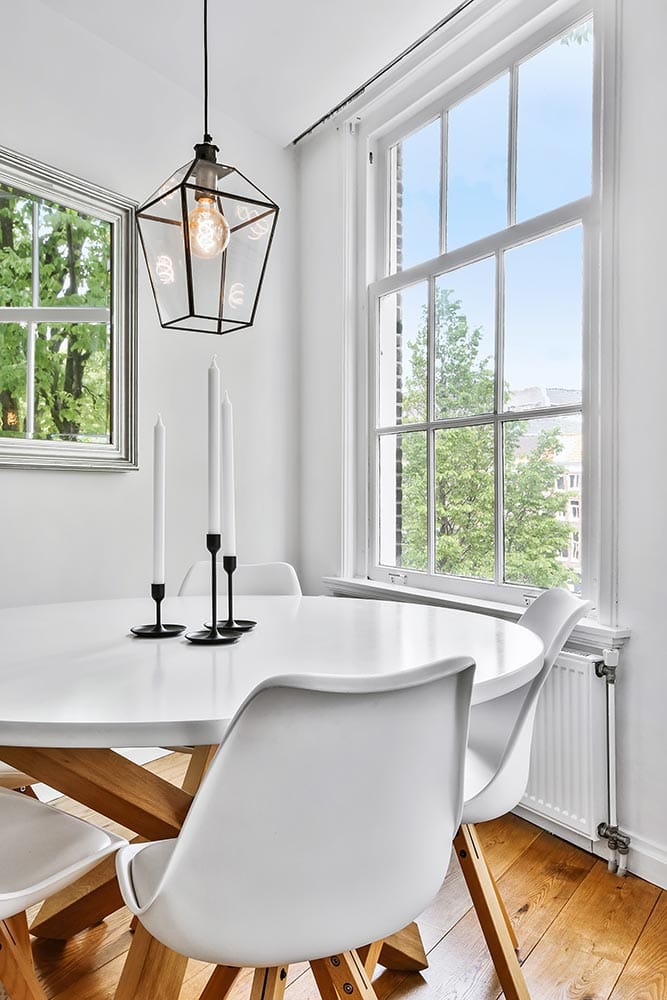

A kitchen that feels dated, a basement with worn carpet, and a bathroom with an older vanity can make sellers feel they need a full renovation before putting a home on the market. Usually, that is not the right starting point. Smart seller renovation priorities focus on the work that helps buyers feel confident, reduces objections during showings, and supports the home’s price position without spending money that may not come back at closing.
For homeowners across Brantford, Brant County, and Norfolk County, the best plan is rarely the most expensive one. It is the plan that matches the property, the likely buyer, the neighborhood, and the current competition. A well-prepared home should look cared for and move-in ready where it counts. It does not need to look like a brand-new custom build unless competing homes set that expectation.
Start With the Market, Not the Renovation Wish List
Before choosing finishes or calling contractors, look at the home through a buyer’s eyes. What will they notice in the first 30 seconds? What may make them question maintenance? Which features are likely to appear in comparable listings nearby?
A renovation that makes perfect sense in one price range may not make financial sense in another. For example, replacing visibly damaged laminate flooring may be a strong decision because it changes the overall impression of the home. Installing premium hardwood throughout a modest starter home may be harder to justify if buyers in that segment are more focused on affordability, layout, and monthly carrying costs.
The same principle applies to kitchens and bathrooms. A clean, bright kitchen with functional appliances can sell well even if it is not brand new. If the cabinets are solid, painting them, updating hardware, replacing a worn faucet, and improving lighting may deliver more value than a full cabinet replacement. On the other hand, water damage, broken doors, failing fixtures, or an impractical layout can become larger concerns that deserve more attention.
A local pricing and property review helps separate upgrades that support marketability from projects that are simply personal preferences. This is especially useful for sellers who have lived in their home for many years and may not know what recent buyers expect.
Address Repairs Before Cosmetic Upgrades
Buyers can forgive an older finish more easily than they can forgive signs of neglect. The first level of seller renovation priorities should be essential maintenance and visible repairs.
Fix active leaks, moisture concerns, loose railings, damaged exterior steps, cracked windows, non-functioning outlets, sticking doors, and obvious drywall damage. Make sure major systems are operating as intended. If the roof is near the end of its useful life, the furnace is unreliable, or the electrical panel raises questions, get informed before listing. The answer is not always to replace everything, but surprises tend to become more costly once a buyer has completed an inspection.
This work also improves the showing experience. A dripping faucet or a door that will not latch may seem minor, but several small defects can create a larger impression that the home has not been maintained. Buyers often begin estimating repairs in their heads, and those estimates are rarely conservative.
Exterior condition deserves equal attention. Clear eavestroughs, repair loose siding, refresh peeling trim, replace missing shingles where appropriate, and make the front entry safe and welcoming. A home’s curb appeal does not require elaborate landscaping. It requires a tidy, cared-for appearance that encourages buyers to see what is inside.
Put Presentation Upgrades Where Buyers Feel Them
Once repairs are handled, turn to improvements that make rooms feel cleaner, lighter, and more usable. These are often the most practical seller renovation priorities because they influence listing photos, first impressions, and how buyers experience the home during a showing.
Fresh neutral paint remains one of the most effective preparation investments when walls are scuffed, heavily personalized, or dark enough to shrink a room visually. Neutral does not mean sterile white everywhere. Soft, current tones that work with existing flooring and cabinets can make a home feel calm and well maintained.
Lighting is another high-impact area. Replace burnt-out bulbs, use consistent light temperatures, clean fixtures, and consider updating visibly dated fixtures in key spaces such as the entry, dining area, kitchen, and primary bedroom. Bright rooms photograph better and help buyers understand a home’s layout.
Flooring calls for a practical decision. Professional cleaning may be enough for carpet that is in good condition. Refinishing hardwood can be worthwhile when the floors are a feature but look tired. Replacement becomes more compelling when flooring is stained, damaged, mismatched, or carries odors that cannot be removed. Avoid choosing a flooring product based only on trends. Durability, a neutral appearance, and a clean installation matter more than selecting the most expensive option.
Kitchens: Improve Function and First Impressions
Kitchens attract attention because buyers spend time in them and often associate them with the cost of future renovations. That does not mean every seller should remodel.
Start with what buyers can see and use: clean appliances, working drawers, intact counters, good lighting, and a sink area that feels fresh. Recaulking, replacing dated cabinet pulls, repairing cabinet fronts, and updating a tired faucet can make a meaningful difference. If countertops are severely worn or cabinets are damaged beyond a simple refresh, a more substantial update may be justified.
Be cautious about over-customizing. Highly specific colors, luxury fixtures that do not match the home’s overall level, or a layout overhaul can consume budget without attracting a proportionately stronger offer. Buyers should be able to picture their own life in the space.
Bathrooms: Cleanliness Is Non-Negotiable
In bathrooms, cleanliness and condition carry more weight than size alone. Replace stained caulking, repair grout, address slow drains, fix running toilets, and remove evidence of moisture. A new mirror, light fixture, vanity hardware, or faucet can modernize a bathroom without requiring a complete remodel.
If the bathroom has damaged flooring, a failing vanity, or mold-related concerns, do not cover the issue with cosmetic changes. Correct the underlying problem first. Buyers and inspectors are trained to notice shortcuts, particularly in rooms where water is involved.
Know When Not to Renovate
The most valuable advice a seller can receive is sometimes permission not to spend. A home may be better sold with clear pricing, thoughtful presentation, and transparency about its condition than with rushed renovations completed just before launch.
This is common when a property needs broad updating, when the seller’s timeline is short, or when the likely buyer may want to renovate to their own taste. It can also apply to inherited homes and properties where extensive work would require the seller to move out or absorb significant disruption. In these situations, cleaning, decluttering, minor repairs, and strong pricing strategy may be more sensible than attempting a partial transformation.
There is also a difference between a project that adds sale value and one that helps a home sell more easily. Not every dollar spent returns dollar-for-dollar in the final price. Some work reduces days on market, improves buyer confidence, or prevents a buyer from asking for a larger discount. Those outcomes can still be worthwhile, but they should be considered honestly.
Build a Plan Around Budget, Timing, and Risk
A good pre-listing plan ranks projects by urgency and expected impact. Begin with health, safety, water, and structural concerns. Next, address visible maintenance issues, then focus on cleaning, paint, lighting, and targeted cosmetic updates. Leave highly personal or costly projects for last, and only proceed if the market evidence supports them.
Allow time for the work to be completed properly. Last-minute renovations often lead to rushed decisions, contractor scheduling challenges, and incomplete details that stand out in photos. Keep receipts, warranties, and basic records for meaningful repairs or replacements. They can be useful during buyer questions and inspection discussions.
Before committing, ask three straightforward questions: Will this change improve buyer confidence? Will it help the home compare more favorably with current competition? Can the investment be completed well within the available timeline and budget? If the answer is no, the project may be better left to the next owner.
The Munir Group helps sellers make these decisions in the context of their actual home and local market, not a generic renovation checklist. The goal is to present the property at its best while protecting the equity you have worked hard to build.
A home does not need every trend to make a strong impression. It needs to feel clean, cared for, functional, and appropriately priced for what buyers will see. The right improvements create confidence, and confidence is often what moves a buyer from interested to ready to write an offer.