

A home can be full of memories and still need to perform like a product when it reaches the market. That is the tension at the center of home selling: you want the process to honor what the property has meant to your family while helping a new buyer clearly see its value. The strongest results usually come from disciplined preparation, realistic local pricing, and steady guidance from the first conversation through closing.
For sellers in Brantford, Brant County, and nearby communities, the right plan is never simply “list it and see.” Each neighborhood, property type, and buyer pool behaves differently. A well-kept family home in Paris may attract a different level of demand than a rural property near Scotland or a downsizing-friendly home in Simcoe. The strategy should reflect the home, the local market, and your next move.
Home Selling Starts With a Clear Plan
Before selecting a list price or arranging photos, establish the practical facts around your sale. When do you need to move? Are you purchasing another home, relocating, downsizing, or managing an estate sale? Is flexibility on the closing date more valuable than the highest possible offer?
These answers influence nearly every decision that follows. A seller who needs a particular closing date may prioritize an offer with fewer conditions and a reliable buyer over a slightly higher price with uncertain financing. Someone who has already purchased may need a more focused launch strategy to reduce carrying costs. There is no universal “best” offer – there is the offer that best supports your circumstances.
A preliminary home evaluation should also be grounded in current, comparable local sales rather than an automated estimate or a neighbor’s asking price. Asking prices show what sellers hope to achieve. Recent sale prices, property condition, lot features, location, and the level of buyer competition reveal what the market is supporting.
Prepare the Property Without Overimproving It
Most homes benefit from preparation, but not every project will return its full cost. The goal is to remove objections, improve first impressions, and make the property easy for buyers to understand. It is not to renovate for a buyer whose preferences you cannot predict.
Start with maintenance. A leaking faucet, loose handrail, damaged screen, or neglected exterior can lead buyers to wonder what larger issues may be hiding. Addressing visible repairs signals care and gives buyers more confidence during showings and inspections.
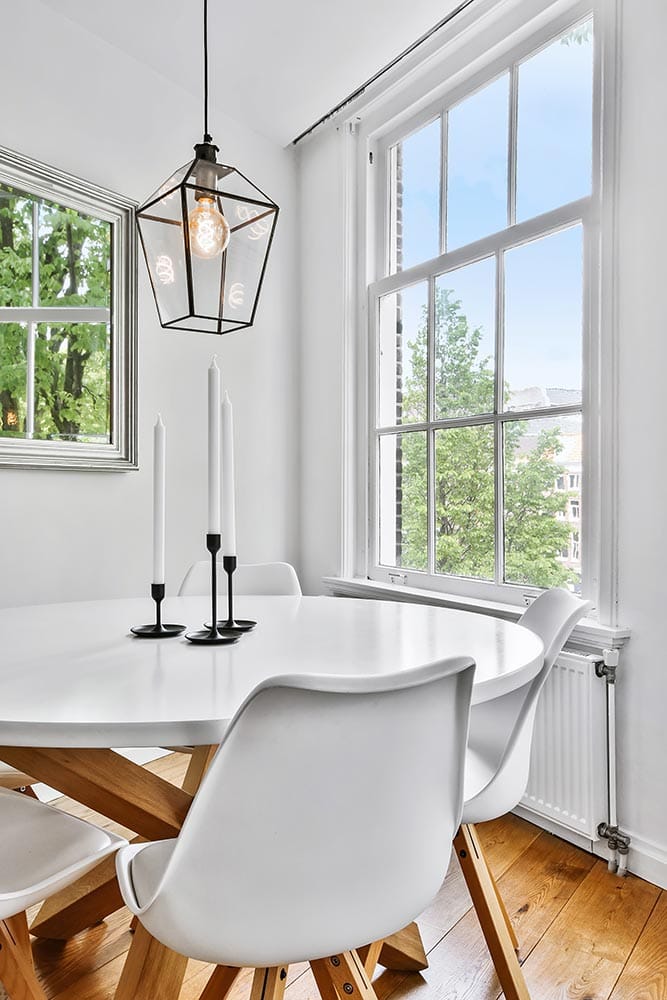
Then focus on presentation. Decluttering creates a sense of space. Removing personal items helps buyers picture their own routines in the home. A thorough cleaning, fresh neutral paint where needed, functional lighting, and tidy landscaping can make a meaningful difference without turning preparation into an expensive renovation.
Decide Carefully on Larger Upgrades
Kitchen and bathroom updates often get attention, but their value depends on the starting point and the neighborhood. Replacing a clearly worn-out vanity or dated fixture may help the home show better. Completing an extensive renovation immediately before selling may not be necessary, especially if buyers in that price range are likely to personalize the space themselves.
A local real estate professional can help separate improvements that support marketability from projects that simply consume time and budget. In some cases, a pre-listing inspection can also be useful. It may identify concerns early, allowing you to make repairs on your schedule rather than negotiating under pressure after an offer arrives. It is not required for every sale, but it can be a sensible option for older homes or properties with known questions.
Price for the Market You Have, Not the One You Remember
Pricing is one of the most consequential decisions in home selling. A price that is too high can limit early interest, extend time on market, and eventually lead buyers to question why the home has not sold. A price that is too low without a clear strategy can leave money on the table.
The first days after a listing goes live matter because that is when qualified buyers and their agents are most likely to pay attention. A pricing strategy should consider recent comparable sales, competing listings, the property’s condition, seasonality, and current inventory. It should also account for features that do not always show up neatly in a data sheet, such as a private backyard, a renovated basement, walkability, or a particularly desirable school area.
The right number is not always the highest number. It is the price that positions the property credibly and encourages the appropriate buyer response. In a competitive segment, that may create strong early interest. In a more balanced market, it may mean setting expectations for a thoughtful marketing period and measured negotiation.
Make Marketing Answer Buyers’ Questions
A yard sign and a few photos are not a complete marketing plan. Buyers need enough information to decide whether a home is worth visiting, and they need a reason to feel that it stands apart from other options.
Professional photography is essential because online presentation is often a buyer’s first showing. Clear images, an accurate floor plan when appropriate, polished property details, and a listing description that explains the home’s strongest features help buyers understand the opportunity before they step inside. The language should be specific. “Large yard” is less useful than explaining how the space functions for entertaining, gardening, children, or privacy.
Marketing should also be honest. Overstating room sizes, hiding limitations, or using vague claims may generate clicks, but it does not build buyer confidence. Accurate presentation brings better-qualified showings and creates a firmer foundation for negotiation.
Keep Showings Easy to Say Yes To
A beautifully marketed home still needs to be accessible. Whenever possible, allow reasonable showing flexibility during the early listing period. Buyers often have work schedules, childcare needs, or travel time to manage, and a missed showing can mean a missed opportunity.
Before each appointment, open blinds, turn on lights, manage pet arrangements, and keep surfaces clear. Small details matter because buyers often make an emotional decision before they have fully analyzed the numbers. Your home should feel cared for, comfortable, and ready for its next chapter.
Evaluate Offers Beyond the Purchase Price
An offer is a package of terms, not just a price. Financing, deposit amount, conditions, closing date, inclusions, and the buyer’s ability to complete the transaction all deserve attention. A higher offer with a weak financing position or a difficult closing timeline may be less attractive than a slightly lower offer with stronger terms.
Conditions related to financing, inspection, or the buyer’s sale of another property are not automatically a problem. They simply create different levels of risk and require careful review. The key is to understand what each condition means, how long it lasts, and what options you have if it is not satisfied.
Negotiation should protect your priorities without becoming unnecessarily adversarial. A calm, well-supported counteroffer can preserve a promising deal. It may address price, timing, requested repairs, deposit, or included items. Sellers are best served when they know the trade-offs before responding rather than reacting to a headline number.
Stay Organized Between Offer and Closing
Once an agreement is in place, the transaction shifts from marketing to coordination. Deadlines for conditions, inspections, deposits, legal paperwork, and moving arrangements need close attention. Keep copies of relevant invoices, warranties, permits, and utility information available if they may assist the buyer or support the transaction.
It is also wise to plan for the practical side of leaving the property. Confirm what stays with the home, arrange movers early, redirect mail, and leave the home clean and empty unless the agreement says otherwise. If there are questions about fixtures, appliances, keys, or access, address them before the final days.
The Munir Group approaches this stage with the same attention given to pricing and marketing: clear communication, organized follow-through, and support when decisions need to be made quickly.
Selling well is not about chasing a perfect market or trying to predict every buyer reaction. It is about preparing carefully, presenting honestly, and making informed choices at each turn. When your plan reflects both the local market and the move you are trying to make, the process becomes far more manageable – and your next set of keys feels much closer.