
A missed document can slow down a showing, create uncertainty during an offer, or leave your lawyer chasing information in the final days before closing. A well-prepared seller documents checklist helps you present your home accurately, answer buyer questions with confidence, and keep the sale moving forward without unnecessary pressure.
The exact paperwork depends on your property, its age, and whether it is a freehold home, condominium, rental property, or rural acreage. Still, gathering the right records early gives your real estate team, buyers, and legal professionals a much clearer picture of what is being sold.
Start With Your Ownership and Property Records
Some documents are required for the transaction, while others help confirm the details buyers need to make an informed decision. Your real estate professional and lawyer will guide you on what is necessary for your specific sale, but it is helpful to locate the basics before listing.
Begin with your most recent property tax bill. It confirms the assessed property details, current taxes, and payment information. If you have a survey or real property report, set it aside as well. These documents may show lot dimensions, fences, sheds, additions, easements, or other features that buyers and their lawyers may ask about.
Also gather your original purchase documents if you still have them. They can provide useful background about the property, although your lawyer will complete the formal title review. If there is an existing mortgage, have the lender name and mortgage account information available. This allows your lawyer to request a payout statement as closing approaches.
If your home has a septic system, well, shared driveway, private road agreement, or other rural feature, documentation becomes even more valuable. In Brant County, Norfolk County, and surrounding communities, buyers often want clear information about these systems before removing conditions.
Seller Documents Checklist for Listing Day
Once the property is ready to be marketed, your agent will review listing and representation paperwork with you. This is also the right time to organize the information that makes your listing accurate and complete.
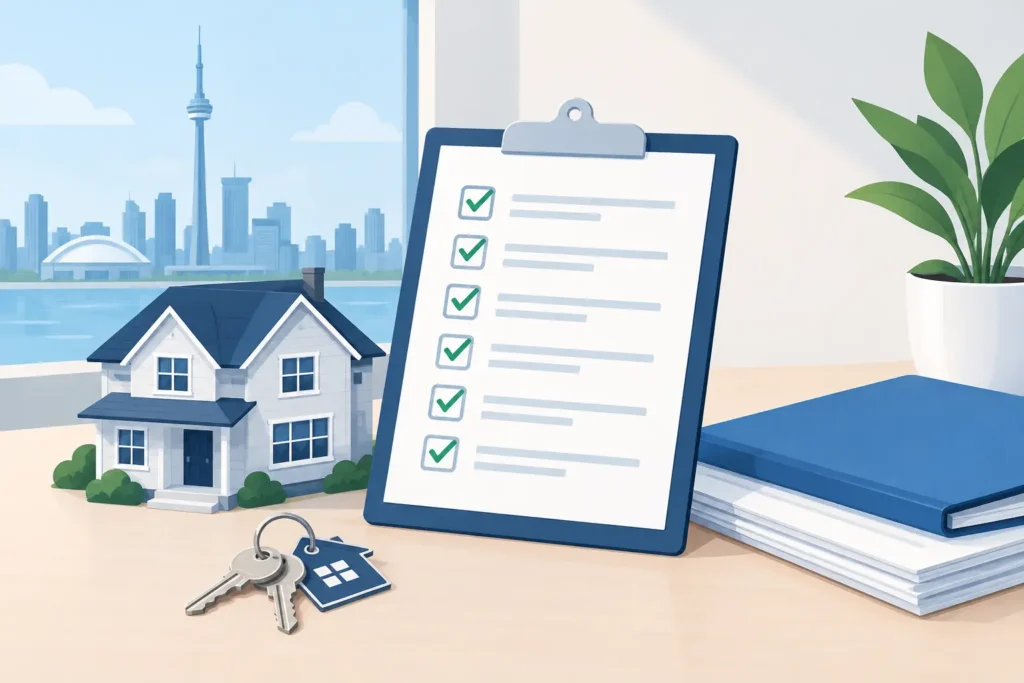
Keep these materials in one labeled folder, either paper or digital:
- Current property tax bill and legal description, if available
- Survey, plot plan, or documents related to lot boundaries and easements
- Utility costs for electricity, gas, water, and other regular services
- Details about included fixtures, appliances, rentals, and leased equipment
- Warranties, manuals, and service records for major systems or appliances
- Permits and invoices for renovations, additions, or significant repairs
- Receipts and dates for recent improvements such as roofing, windows, or HVAC work
- Any agreements affecting the property, including shared driveways or maintenance arrangements
The goal is not to overwhelm a buyer with paperwork. It is to have reliable answers ready when questions arise. A buyer may ask the age of the roof, whether the water heater is owned or rented, or whether a basement renovation was permitted. Clear records can support your answer and reduce avoidable back-and-forth.
Be Precise About Inclusions, Rentals, and Leases
One of the most common areas of confusion in a home sale is what stays with the property. Items that look permanent may not always be included, and equipment that appears to be part of the home may be rented or leased.
Make a written inventory of items you plan to include, exclude, or sell separately. Think beyond the refrigerator and stove. Wall-mounted televisions and brackets, window coverings, garage door openers, shelving, security cameras, outdoor sheds, pool equipment, and smart-home devices can all become points of discussion.
Pay close attention to rental items. In Ontario, water heaters are frequently rented, but there may also be rental or service agreements for furnaces, air conditioners, water softeners, security systems, solar panels, propane tanks, or hot tubs. Locate the contracts, confirm monthly costs, and identify any transfer or buyout requirements. Buyers need to know what they may be assuming, and the purchase agreement should reflect the arrangement accurately.
It depends on the item and the contract. Some agreements are easily transferred, while others require additional paperwork or may influence a buyer’s offer. Raising the issue early is always better than discovering it after an offer is accepted.
Renovations, Repairs, and Permits Matter
A beautifully updated kitchen can help attract buyers. Documentation helps it carry more weight. Keep invoices, contractor details, warranties, and permits for substantial work whenever possible, particularly for structural changes, electrical updates, plumbing, finished basements, decks, pools, additions, and heating or cooling replacements.
Not every cosmetic improvement requires a permit, and older work may predate your ownership. Do not guess if you are unsure. Describe what you know, provide the records you have, and seek appropriate professional guidance where needed.
For work completed without permits, the right approach depends on the scope of the project and local requirements. Trying to hide an issue can create a larger problem during an inspection or legal review. A knowledgeable local real estate team can help you understand how to present the situation honestly and whether additional steps should be considered before listing.
Prepare Disclosure Information Thoughtfully
Sellers should be ready to discuss known material facts about a property. This can include recurring water issues, previous insurance claims, structural concerns, known defects, neighborhood matters that affect enjoyment of the property, or past remediation work.
A Seller Property Information Statement may be used in some transactions, but it is not automatically required in every sale. If one is completed, it should be accurate, careful, and based on what you genuinely know. It is not a substitute for a buyer’s inspection, and it should never be treated as a form to rush through.
Keep supporting records for any issue that has been repaired or assessed. For example, if a basement experienced water entry years ago and a drainage solution was installed, invoices and warranty information can provide helpful context. The same applies to mold remediation, foundation work, tree removal, electrical repairs, or pest treatment.
Transparency does not mean a home must be perfect. Every property has a history. It means communicating known information in a way that is clear, factual, and consistent with the advice of your real estate and legal professionals.
Additional Records for Condos, Tenanted Homes, and Estates
Certain property types require another layer of preparation. Condominium sellers should gather their most recent condo fee information, parking and locker details, and any notices they have received from the corporation. A buyer will often request a status certificate, which provides important financial and legal information about the unit and corporation. Your agent can help coordinate timing, but it is wise to discuss it before the property goes live.
If the home is tenant-occupied, collect the lease agreement, rent amount, deposit information, utility arrangements, and any relevant communication records. Selling a tenanted property involves specific rules, and the buyer’s intended use of the home can affect the process. Do not promise a possession date or tenant outcome before receiving informed advice.
For estate sales, powers of attorney, or properties owned by more than one person, authority to sell should be clarified early. Extra documentation, court documents, or signatures may be needed. These transactions can still proceed smoothly, but they benefit from more lead time and close coordination with a lawyer.
Keep Closing Documents Within Reach
After you accept an offer, your lawyer will take the lead on many closing requirements. Your job is easier when key documents and contacts are already organized. Keep your identification current, provide mortgage and lender information promptly, and retain any invoices or paperwork needed to satisfy conditions in the agreement.
Before closing, confirm which keys, garage remotes, alarm codes, mailbox keys, appliance manuals, and access devices will be left for the buyer. Remove personal documents from the home, but leave behind information that helps the new owner operate and maintain major systems.
The Munir Group helps sellers prepare well before the sign goes in the yard, from identifying documents that may matter to coordinating the details that keep a sale on track. The most useful paperwork is often the paperwork gathered early, when there is still time to clarify a question, locate a record, or address a concern with care.