
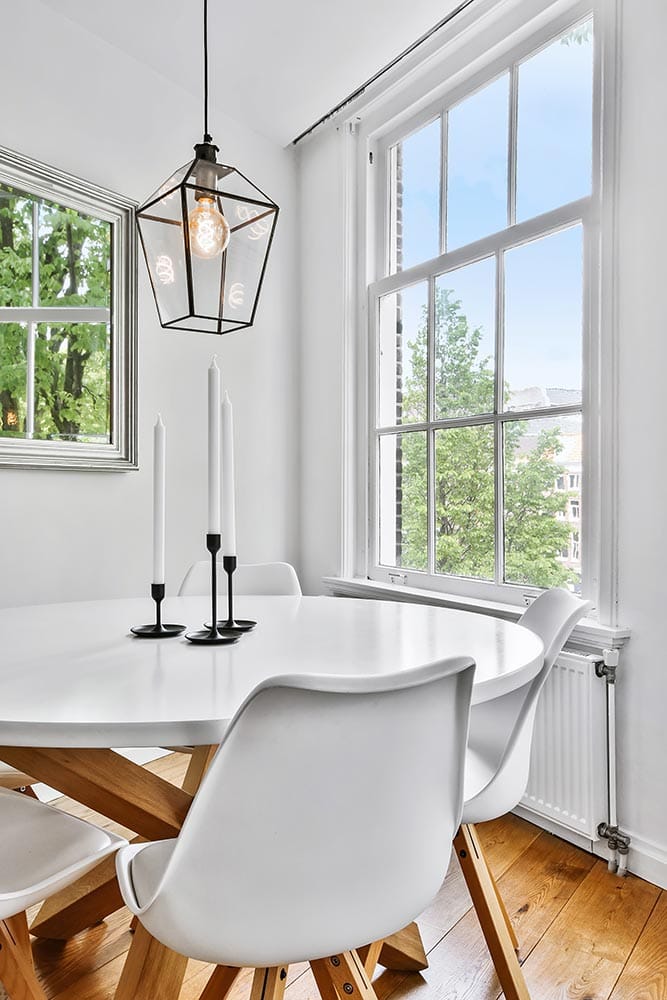

A buyer can decide how they feel about a home before they reach the kitchen. The front walk, the smell at the door, and the amount of light in the entryway all shape that first impression. Knowing how to prepare house for sale is not about making it look like someone else lives there. It is about making its best features easy to notice and helping buyers picture their own next chapter there.
The right preparation also protects your time. Homes that are clean, well-presented, accurately priced, and ready for photography tend to generate stronger early interest. That matters because the first days on the market often bring the most attention from active buyers.
Start With a Clear Selling Plan
Before buying paint or renting a storage unit, take a realistic look at your timeline, budget, and local competition. A home being sold after an estate transition, a growing family’s move, or a downsizing decision may need a different level of preparation. Not every property needs a major renovation, and spending money without a clear return can create unnecessary stress.
A local real estate professional can help identify which improvements are likely to matter to buyers in your neighborhood and price range. In Brantford, Brant County, and nearby communities, buyer expectations can vary widely between a newer subdivision, a rural property, a century home, and a condo. The goal is not to chase every possible project. It is to focus on condition, presentation, and pricing that support the sale you want.
Begin by walking through the house as if you were seeing it for the first time. Take notes on what looks unfinished, crowded, worn, or difficult to understand. Pay close attention to the entry, kitchen, primary bedroom, bathrooms, and outdoor spaces. Those areas often carry the most weight in a buyer’s memory.
How to Prepare House for Sale Room by Room
Cleaning and decluttering are often the highest-value steps a seller can take. Buyers need enough visual space to notice room size, storage, flooring, windows, and layout. When counters, shelves, and closets are packed, even a generous home can feel smaller than it is.
Start by removing personal photographs, refrigerator magnets, excess furniture, and collections that compete for attention. This does not mean the house must feel empty. A few well-chosen books, simple artwork, fresh towels, and neutral accessories can make it feel welcoming without making it feel overly personal.
In the kitchen, clear counters except for a small number of purposeful items. Store small appliances, organize the pantry, clean inside the microwave, and make sure cabinet doors and drawers operate properly. Buyers often look closely at kitchens, so minor details such as greasy range hoods, chipped caulking, or cluttered counters can distract from a room’s real strengths.
Bathrooms should feel clean and simple. Replace worn shower curtains, repair dripping faucets, remove prescription medications, and use fresh towels. A deep clean around tile, grout, mirrors, and fixtures makes a noticeable difference without requiring a full remodel.
Bedrooms benefit from fewer pieces of furniture and clear surfaces. If a spare room functions as an office, storage room, and workout space, give it one primary purpose for listing photos and showings. Buyers should not have to guess whether a room can work for them.
Do not overlook closets, the basement, laundry area, garage, and utility spaces. Buyers expect these areas to be functional, but they also use them to judge how well a property has been maintained. Organized storage sends a quiet but persuasive message that the home has been cared for.
Handle Repairs Before Buyers Find Them
Small deferred-maintenance items can cause buyers to wonder what larger issues may be hiding. Walk through the home and address obvious concerns: loose handles, sticking doors, burned-out bulbs, cracked switch plates, damaged screens, peeling paint, and leaking taps. Make sure smoke and carbon monoxide alarms are present and working.
Some repairs deserve professional attention, especially electrical, plumbing, roofing, heating, cooling, drainage, or structural concerns. A pre-listing inspection can be useful for some sellers, particularly where an older home may have surprises. It can give you time to repair, disclose, or price around known issues rather than reacting under pressure once an offer arrives.
That said, a pre-listing inspection is not required for every home. It depends on the property’s age, condition, and the likely buyer pool. A knowledgeable agent can help you decide whether it is likely to provide useful information or simply add an expense without changing your strategy.
Refresh What Buyers See First
A full renovation is rarely the default answer. Buyers generally respond well to a home that is clean, bright, and maintained, even if every finish is not brand new. Fresh neutral paint can be worthwhile where walls are heavily marked, colors are highly specific, or several rooms feel dark. It is usually more effective to create consistency than to renovate one room to a level that makes the rest of the home feel dated.
Curb appeal deserves the same practical mindset. Mow the lawn, trim overgrown shrubs, weed garden beds, clean the front door and light fixtures, and make house numbers easy to see. In season, a few healthy planters can add warmth. In winter, prioritize clear walkways, safe steps, and a clean entry. Buyers begin forming opinions before the lockbox is even opened.
Lighting is another inexpensive improvement with a large visual impact. Replace mismatched or dim bulbs, open curtains and blinds, and remove heavy window coverings where they block natural light. Use matching bulbs with a consistent warmth throughout the home, particularly for photography.
Prepare for Photos, Showings, and Daily Life
Listing photos are not simply a record of the rooms. They are your home’s first showing, and they determine whether buyers decide to visit. Prepare for photography as carefully as you would for an open house. Hide pet bowls, litter boxes, cords, garbage bins, toiletries, cleaning supplies, and bulky seasonal items. Straighten bedding, close toilet lids, and make sure every light that should be on is working.
Once the home is listed, create a simple showing routine that your household can repeat quickly. Keep a basket or tote for last-minute items, make beds each morning, wipe counters after use, and take pets out for showings whenever possible. Strong scents can be as distracting as unpleasant odors, so skip heavy candles and air fresheners. Clean air and a neutral, well-ventilated home are usually best.
For families with children, perfection is not realistic every day. A practical system is better than an exhausting one. Keep a few bins ready for toys, papers, and personal items, then focus on the rooms buyers will notice first. If scheduling allows, group showings into predictable windows so your family has more control over the week.
Price and Presentation Must Work Together
Preparation cannot compensate for a price that misses the market. A well-kept home priced too high may sit long enough for buyers to question it. Conversely, thoughtful pricing supported by recent local sales, current competition, property condition, and buyer demand can bring serious interest early.
This is where presentation and strategy meet. If your home has an older kitchen but a larger lot, a finished basement, or a sought-after location, those strengths should be reflected in the marketing and pricing plan. If repairs remain, clear disclosure and an appropriate price may be wiser than trying to hide them. Buyers can accept trade-offs when they understand what they are getting.
The Munir Group helps sellers coordinate these decisions with local market context, so the preparation plan stays focused on what is likely to support the sale rather than on a generic checklist.
Keep Documents and Details Ready
Gather the information a serious buyer may ask for: utility costs, improvement records, warranties, permits, appliance details, survey information if available, and any relevant property documents. For rural or specialty properties, details related to wells, septic systems, outbuildings, or service arrangements may also be helpful.
Having this material organized does not mean every buyer will request it, but it makes it easier to answer questions promptly. Quick, accurate communication can keep a strong buyer engaged while their interest is high.
Preparing a house for sale is best approached as a series of sensible decisions, not a race to create a flawless home. Put your energy into the improvements buyers can see, the maintenance questions they may ask, and a presentation that lets the property feel comfortable from the first visit. That thoughtful work gives buyers fewer reasons to hesitate and gives you a calmer, more confident path to the market.